
What is Holistic Nutrition? Beyond Calories to Functional Performance
The Science and Philosophy Behind a Holistic Approach to Nutrition

Summary
Holistic nutrition is a science-based departure from the reductionist "math" of conventional dieting. Rather than obsessing over calorie counts or restrictive trends, this approach treats the body as an integrated system where movement, environment, and mental health are inseparable from the food on your plate. By prioritizing nutrient-dense whole foods and listening to internal biofeedback—like energy levels and digestion—we move toward a more ethical form of coaching that empowers the individual. Ultimately, we view nutrition as the functional substrate for performance, fueling the body to ensure it can handle the stress of high-level movement while maintaining long-term systemic health.
In a world of "superfoods," "keto," and "low-carb" trends, it’s easy to get lost in the noise of what we should eat. Most conventional nutrition focuses on the basics: calories in versus calories out, hitting specific macronutrient targets, or excluding entire food groups.
But Holistic Nutrition looks at the bigger picture. It suggests that a person is not just a collection of symptoms or a calorie-burning machine, but a complex system where everything—from your digestion to your stress levels—is interconnected.
The Philosophy: Looking at the Whole Person
The core of this philosophy is that evidence-based nutrition isn't just about biological fuel; it is an integrated practice that respects the individual’s lived experience and the ethical responsibility of the coach.
The word "holistic" comes from the Greek word holos, meaning "whole." In the context of Holistic Training, this isn't just a buzzword—it’s a commitment to seeing the human being behind the data. The core philosophy is simple: everything is connected. Instead of just treating an issue like excessive soreness or low energy as an isolated mechanical failure, a holistic approach investigates the "why" behind the issue. This requires moving away from the "fix-it" mentality of conventional fitness and nutrition and toward a client-centered approach, where the individual’s unique history, preferences, and lifestyle are the primary drivers of the strategy.
To truly understand nutrition, we must look through three main pillars:
1. Physical Health: Beyond the Numbers
While conventional nutrition often obsesses over "hitting your numbers," a holistic perspective asks why we are tracking in the first place. In the article "Why I Don't Track My Macros," I argue that obsessive tracking can actually interfere with the connection between the mind and the body's natural hunger cues. Instead of external data, holistic nutrition focuses on internal biofeedback—digestion, energy levels, and strength—ensuring that physical health is a sustainable state of being, not a mere math equation.
2. Mental & Emotional Health: The Psychology of Nourishment
Nutrition does not happen in a vacuum. A holistic approach recognizes that stress or a poor relationship with food can also be damaging. This is where Ethical Fitness Coaching comes into play: an ethical coach recognizes that "health" includes inner peace. If a nutrition program causes anxiety or social isolation, it is no longer healthy. We focus on a mindset of abundance and self-care rather than restriction and punishment.
3. Environmental Factors: The Ecosystem of Wellness
Your body's ability to access and process nutrients is determined by your environment. As outlined in The Philosophy Behind Holistic Training, movement and rest are inseparable from nutrition. You cannot adequately nourish a body that is chronically underslept or overstressed. By looking at environmental factors (including social factors)—from those that affect the quality of your sleep to the "toxic" nature of a high-pressure lifestyle—we create an environment where the food you eat can actually do its job.
Why This Matters: The Ethical Shift
By adopting these pillars, we move toward a more ethical approach to coaching. It’s about empowering the client to become an expert on themselves. We aren't just looking for "results" in the mirror; we are looking for a "whole" life where nutrition supports your goals without compromising your peace.
If this ethical, client-centered approach resonates with you, you can learn more about my coaching philosophy on my blog.
The Science of Holistic Nutrition: Integrating Fuel and Function
Holistic Nutrition isn't just a philosophy; it is a science-based approach rooted in biology, psychology, and the social sciences. Rather than looking at diet in isolation, we examine how nutrition interacts with your training, recovery, and long-term health.
1. Systematic Synergy: Nutrition as Training Support
Holistic Training recognizes that the body operates as a single, integrated system. Nutrition is the literal building block for this system. By aligning your intake with your training demands, we ensure that your physiology supports muscle protein synthesis and nervous system recovery. We don't just eat to look a certain way; we eat to ensure our physiological systems can handle the stress of high-level movement.
2. Evidence-Based Sustainability: Promoting Long-term Wellness
While popular nutrition trends often focus solely on "macros," a holistic approach looks at how nutrients like fiber promote overall well-being. By prioritizing whole foods high in protein, fiber, and vital micronutrients, you are promoting a long, stable health and fitness journey.
3. Nutrient Density: Quality as a Performance Metric
In the Holistic Nutrition framework, we view food as more than just a number on a label; it is the substrate that determines how your body performs and recovers. Viewing nutrition solely through the lens of "calories in vs. calories out" is a reductionist approach that overlooks how different fuel sources impact your physical and mental capacity.
- Refined & Processed Fuels: These offer "empty" energy that often leads to rapid performance peaks followed by significant crashes. From a science-based perspective, relying primarily on processed fuels can lead to suboptimal performance and sluggish recovery, ultimately sabotaging the progress you make from your training sessions.
- Nutrient-Dense, Whole Foods: Foods like complex carbohydrates and healthy fats provide a steady, sustained release of energy. This stability is critical for maintaining high power output and mental focus from the first set to the last. Beyond just energy, these foods provide the micronutrients necessary for cellular repair and joint health, ensuring that your nutrition supports your longevity as an athlete.
The Core Principles of a Holistic Diet
If you’re looking to transition toward a more holistic way of eating, these principles are a good place to start:
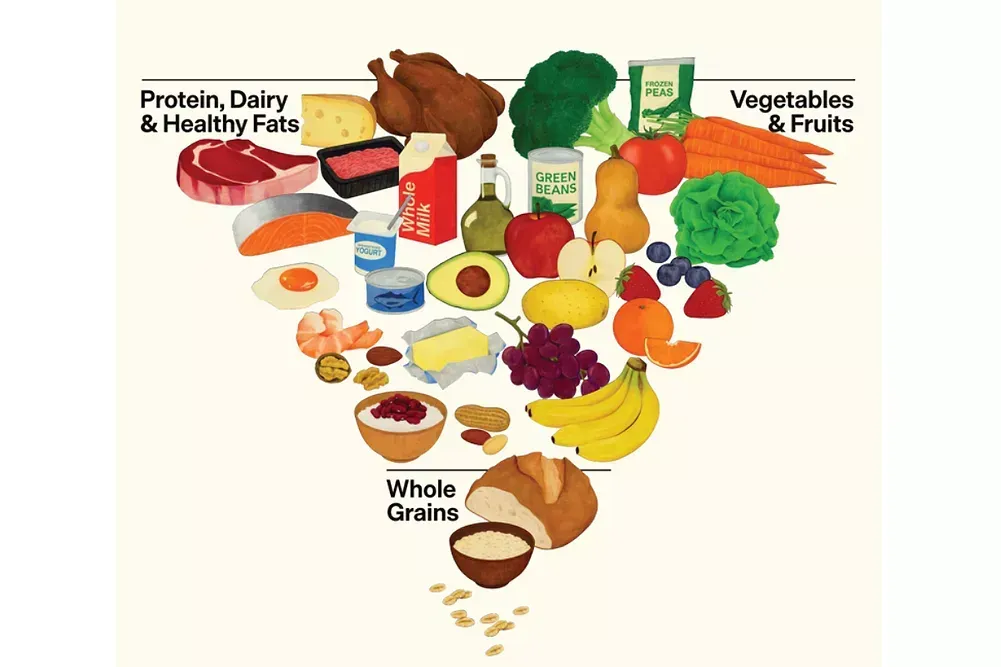
- Prioritize Whole, Unrefined Foods: Focus on minimally processed whole foods—fruits, vegetables, nuts, seeds, and quality proteins.
- Mindful Eating: How you eat is as important as what you eat. Chewing thoroughly and eating without distractions helps in adequately fueling the body without overdoing it.
- Hydration: Water is the medium for every chemical reaction in the body. Holistic nutrition views hydration as critical.
Final Thoughts
The transition to a holistic approach to evidence-based nutrition represents a fundamental shift in how we define "results." It moves the focus away from the mirror and places it squarely on the integrity of the human system.
We must stop viewing food as an enemy to be managed or a math problem to be solved. In the context of science-based fitness, nutrition is the raw material used to build a resilient body. When we prioritize nutrient density and whole foods, we aren't just "eating clean"; we are providing the substrates necessary for sustained power output and recovery.
While the fitness industry is obsessed with external tracking, the most sophisticated data point you possess is your own internal biofeedback. By tuning into your energy levels, digestion, and strength during a session, you regain the autonomy that "macro-counting" often strips away. A truly ethical approach to coaching empowers you to become the primary expert on your own body.
Ultimately, holistic nutrition is about synergy. You cannot out-eat a lifestyle of chronic stress, and you cannot out-train a diet of empty energy. By aligning your environment, your mental state, and your physical fuel, you create an ecosystem where health isn't a temporary goal, but a sustainable state of being.
We eat to support the movement. We move to celebrate the body. And we do both to sustain a life of purpose and peace.
If you’re tired of the "calories in vs. calories out" cycle and ready to build a nutrition strategy that actually supports your training and your peace of mind, I’m here to help. Let’s look at your movement, your environment, and your fuel as one integrated system.
Apply for coaching by submitting an inquiry HERE— Let’s build a resilient foundation together.
Key Takeaways
- The body is a system, not a math equation — holistic nutrition rejects the reductionist "calories in/calories out" framework and treats physical, mental, and environmental health as inseparable.
- Three pillars drive the framework — physical health (internal biofeedback over obsessive tracking), mental/emotional health (abundance mindset over restriction), and environmental factors (sleep, stress, and social context all affect how nutrients are utilized).
- Internal biofeedback over external data — energy levels, digestion, and performance are treated as more meaningful and sustainable signals than hitting macro targets.
- Nutrient density is a performance metric — whole foods provide sustained energy and the micronutrients needed for cellular repair and recovery; processed foods create energy spikes and crashes that undermine training adaptation.
- Ethics is built into the coaching model — if a nutrition protocol causes anxiety or social isolation, it is no longer healthy by definition; the goal is empowering clients to become experts on themselves.
- Nutrition cannot compensate for a broken environment — chronic stress, poor sleep, and high-pressure lifestyles limit the body's ability to utilize food effectively, regardless of diet quality.
- Synergy is the end goal — movement, environment, mental state, and fuel must be aligned; no single variable can be optimized in isolation.