The Holiday Progress Paradox
How to Maintain Your Fitness & Nutrition (Without Missing the Fun)

TL; DR: The "holiday progress paradox" is the idea that you don't have to choose between your fitness goals and holiday joy. Instead of striving for perfection—which often leads to burnout and bingeing—this holistic strategy focuses on maintenance and flexibility. By prioritizing mindful nutrition (savoring treats without overindulging), consistent but shorter workouts (20 minutes is enough), and proactive stress/sleep management, you can sustain your momentum and enter the New Year feeling strong rather than starting from zero.
The holiday season is a beautiful, busy, and often stressful time. Between endless parties, travel, and a constant rotation of festive treats, it can feel like your hard-earned progress in fitness and nutrition is in danger of a major setback.
The common approach is to try to be perfect, which often leads to burnout, feeling guilty, and throwing in the towel until January 1st. Instead, let's focus on a holistic strategy that allows you to fully enjoy the season while maintaining your physical and mental well-being. By focusing on three key pillars—Nutrition, Fitness, and Stress Management—you can step into the New Year feeling strong, rested, and proud of the progress you kept.
Mindful Nutrition: Flexible Progress, Not Perfection
The goal here isn't to be perfect; it’s to make healthier choices most of the time so that the occasional indulgence feels manageable. Accept that there will be indulgent meals. Trying to be perfectly strict during the holidays leads to mental stress and often backfires into an all-out binge (1, 2). Forgive yourself in advance (3), and focus on your average week, not every single moment.
At gatherings, enjoy all the traditional foods you want, but commit to a single, moderate-sized plate. Take your time. This respects your physical goals while honoring the social tradition.
Before diving into the appetizers or treats, fill half your plate with vegetables and ensure you have a good source of protein. This combination is highly satiating, helping you feel fuller faster and managing blood sugar spikes. It also helps to have a small, fiber- and protein-rich snack before you leave for the party to take the edge off your hunger (4,
5,
6,
7).
Drink a large glass of water before any meal or party. Being well-hydrated helps curb excessive snacking (8).
Slowing down and focusing on the experience of eating, or mindful eating, buys time for your hunger signals to kick in, which can prevent overeating (9,
10). It also decreases emotional eating (11). Your nutrition strategy shouldn’t feel like a chore—savoring the moment goes a long way to making it feel like an enthusiastic choice, not a sacrifice.
Flexible Fitness: Consistency Over Intensity
You don't need a grueling gym session to maintain your progress. In fact, shorter, more frequent movement is often a better strategy during a hectic season (11).
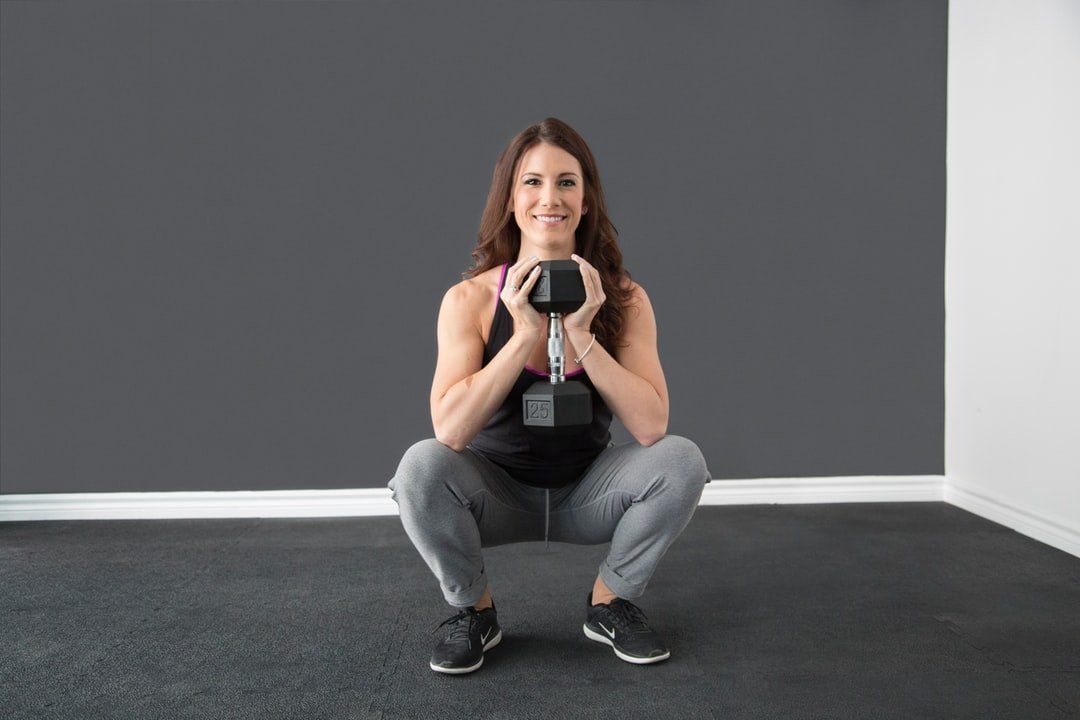
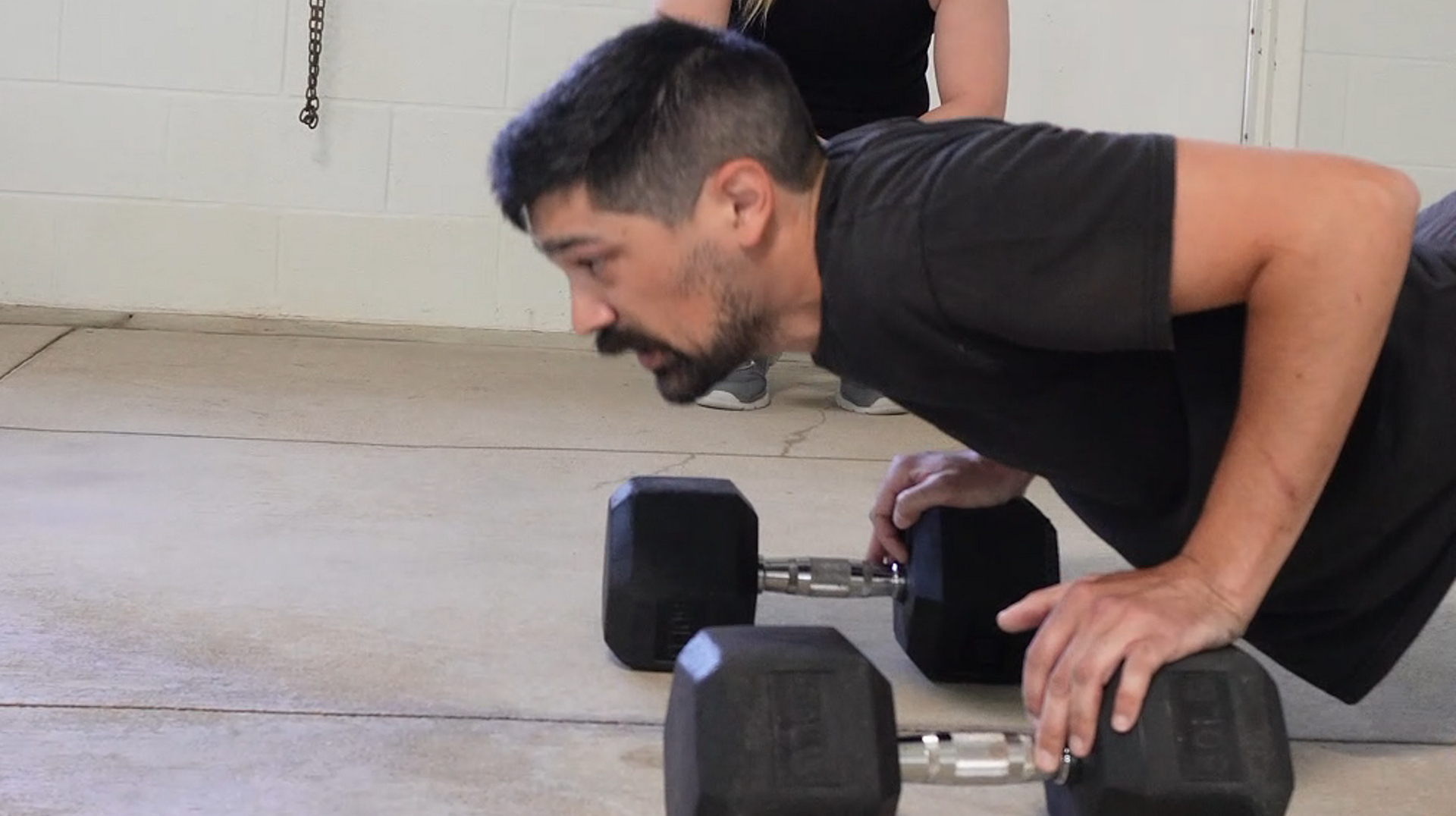
Don't feel obligated to smash your standard hour-long, high-intensity workouts. Instead, aim for shorter, focused sessions. A quick 20-minute workout is better than no workout at all.
Look for opportunities to be active throughout the day. For instance, you can take a brisk walk after a holiday meal, actively play with nieces or nephews, or volunteer to run a quick errand on foot.
Instead of meeting friends just for coffee or drinks, suggest an activity. Go on a walk, try a winter hike, or check out a local ice-skating rink. Integrating physical activity into your social life makes it enjoyable and sustainable.
Use your workouts for stress management. During a high-stress week, what your body and mind truly need might be a gentle yoga session, foam rolling, or a long stretching routine. Listen to your body.
Stress & Sleep Management
Stress and sleep management is the most overlooked pillar, yet it’s critical. Poor sleep and high stress severely impact your recovery, willpower, and appetite-regulation (12, 13, 14, 15).
Aim to keep your bedtime and wake-up time as consistent as possible, even when traveling or hosting. A rested mind handles food decisions better and improves recovery.
The holidays often involve catering to everyone else, but you need time to recharge. Block out 15 minutes daily for yourself. This could be meditation, deep breathing, journaling, or simply sitting in silence with a warm cup of tea.
Learn the power of saying "No" to a few commitments. Over-scheduling is a big source of holiday stress. Protecting your time is a vital part of protecting your overall progress.
If you have an off day (or an off meal), don't let it derail your entire week. Acknowledge the slip, forgive yourself immediately, and focus on the next right choice—the next meal or the next workout.
Final Thoughts
The "holiday progress paradox" isn't about choosing between your goals and your joy; it’s about realizing that the two can—and should—coexist. True health isn't measured by a single meal or a skipped workout, but by the resilience of your habits over time. By shifting your mindset from "all-or-nothing" to "always-something," you reclaim your power over the season. Remember that the holidays are a marathon of moments, not a sprint toward perfection.
When January 1st arrives, your success won't be defined by whether you avoided every sugar cookie or hit every personal record. Instead, your success will be the fact that you showed up for yourself, managed your stress with grace, and entered the New Year with your momentum—and your holiday spirit—fully intact.
Take a deep breath, savor the celebrations, and trust the foundation you’ve built. You’ve got this.