To Train or Not to Train? The Holistic Training Guide to Training Through Soreness
How to Know When to Keep Going and When to Back Off
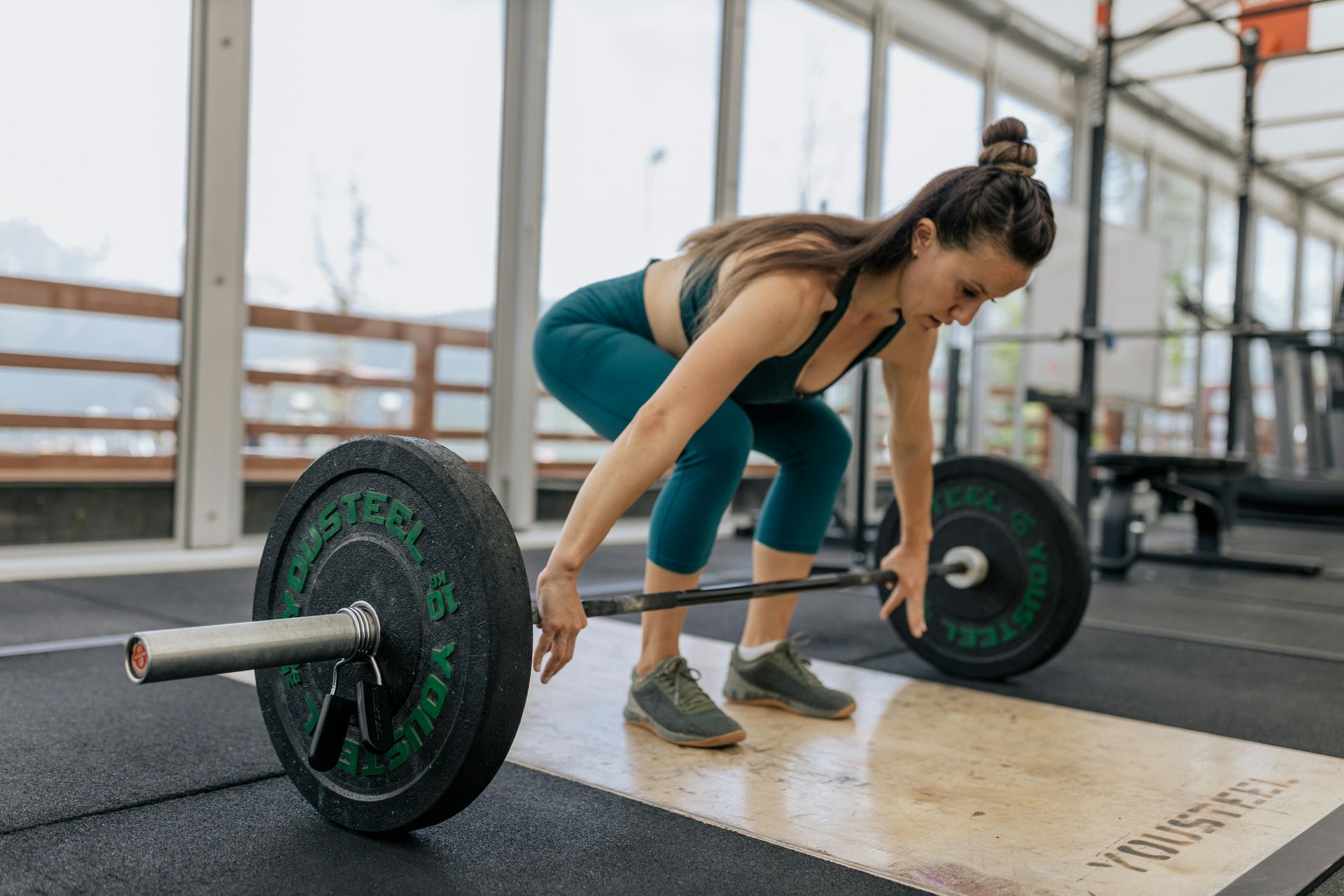
TLDR: Forget the "no pain, no gain" martyr act; long-term progress relies on a "traffic light" system that distinguishes normal muscle adaptation from actual injury. While dull soreness often fades with light movement to boost blood flow, sharp or localized pain demands total rest to avoid burnout. By pairing active recovery with the "big three"—7–9 hours of sleep, high protein, and proper hydration—you turn recovery into a disciplined strategy rather than an afterthought, ensuring you stay strong for the long haul.
We’ve all heard the mantra "No Pain, No Gain," but in the world of holistic fitness, we prefer a different motto: train hard, recover harder. Understanding the difference between "good" soreness and "bad" pain is the secret to consistent progress without burnout or injury. Here is how to navigate the haze of Delayed Onset Muscle Soreness (DOMS) like a pro.
The Myth: "I’m Sore, So I Must Rest"
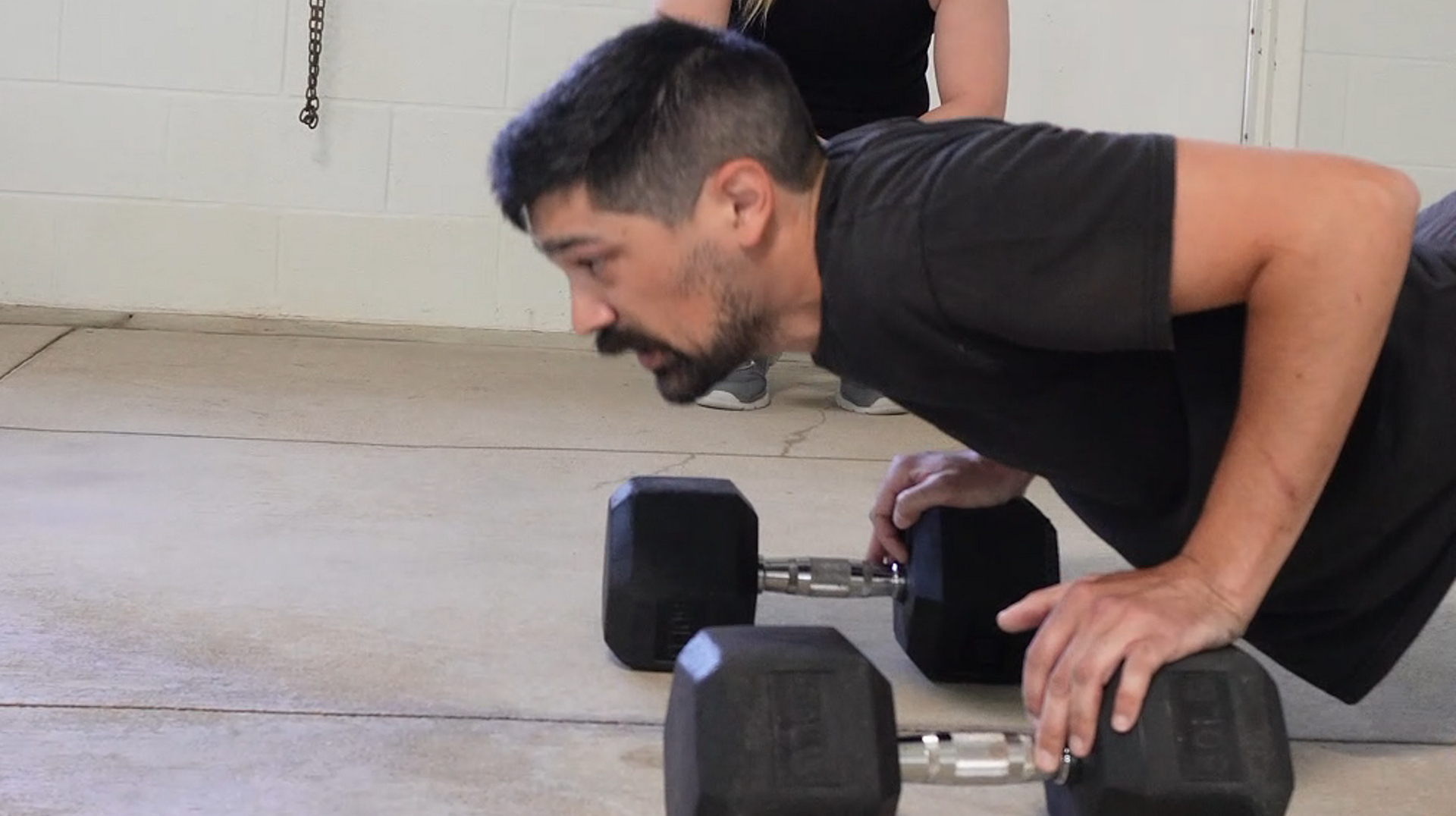
One of the biggest hurdles in a consistent training routine is the belief that soreness is a stop sign. While it’s a signal to pay attention, it isn't necessarily a reason to skip your workout.
Often, the best cure for DOMS is actually increased blood flow. Light to moderate exercise generally acts as a "natural flush," moving oxygen and nutrients into the muscle tissues to help dissipate soreness. If you’re feeling stiff, give yourself 10 minutes of a thorough, dynamic warm-up. Often, once the internal temperature rises and the synovial fluid in your joints starts moving, that "heavy" feeling significantly decreases, and you’ll find you’re more capable than you thought. Minor soreness is simply a physiological adaptation. Your body is learning how to handle a new stressor. If you only train when you feel 100% fresh, you’ll miss out on the progressive overload required to actually get stronger.
Training while sore teaches your body resilience. As long as your form isn't compromised and the pain isn't sharp or joint-based, moving through the tightness can actually help you stay on track. The following sections provide more information that can be used to help decide if training through soreness is a good idea.
1. Identify the "Flavor" of Soreness
Before you lace up your sneakers, do a quick body scan. Not all discomfort is created equal.
- The "Good" Soreness (DOMS): Feels like a dull ache or tightness in the muscle belly. It usually peaks 24–48 hours after a workout. If it improves slightly as you move and warm up, you’re likely good to go.
- The "Red Flag" Pain: Sharp, stabbing, or localized in a joint or tendon. If the pain is asymmetrical (left knee hurts, right is fine) or keeps you from moving with proper form, stop. This is your body requesting a pivot, not a push.
2. The "Traffic Light" System
This system is based on the concept of autoregulation (see an example here), which suggests that training based on daily readiness is superior to fixed-percentage programs. Use this simple guide to decide your session intensity:
Green Light: The "Full Send" Phase
- How it feels: Mild tightness or soreness; your mental energy is high.
- The Move: Stick to the plan. Your body is primed and ready for the scheduled intensity.
Yellow Light: The "Pivot" Phase
- How it feels: Significant soreness that makes stairs a challenge; you feel sluggish or "heavy."
- The Move: Shift to active recovery. Instead of a heavy lift, choose movement that promotes blood flow—like swimming, yoga, a brisk walk, or a significantly less intense version of your workout (a deload)—to help deliver oxygen and nutrients to damaged tissues to help reduce the perception of pain.
Red Light: The "Restore" Phase
- How it feels: Sharp or localized pain, poor sleep quality, and high life stress.
- The Move: Full Rest. This is a day for breathwork, hydration, and hitting the pillow early. Remember: You don’t grow in the gym; you grow while you sleep.
3. The Role of Active Recovery
Holistic Training treats recovery as an active process, not just the absence of exercise. If you are sore, sitting around may be keeping you from pursuing your gains.
Try these "blood flow" boosters:
- Low-Intensity Steady State (LISS): A 20-minute walk helps the system shift from a “fight or flight” state to more of a “rest and digest” state without adding stress.
- Mobility Flow: Gentle dynamic stretching helps regain your range of motion.
4. Support the System (Beyond the Gym)
You can’t out-train a poor recovery environment. If you’re constantly sore, look at your "Big Three":
- Protein Intake: Are you giving your muscles the building blocks to repair?
- Hydration: Water is the transport system for nutrients; don't let the pipes run dry.
- Sleep: This is when adaptation happens. 7–9 hours is critical.
Final Thoughts
Training through soreness isn’t about being a martyr for the "no pain, no gain" cause; it’s about becoming a highly tuned observer of your own biology. The goal of a holistic approach is longevity. If you push through a "red light" today, you might lose three weeks to an injury tomorrow. Conversely, if you always retreat at the first sign of a "yellow light," you’ll never see what your body is truly capable of achieving.
Remember that progress isn't a straight line—it’s a series of peaks and valleys. Some days you will be the hammer, and some days you will be the nail. By using the tools of active recovery and the "traffic light" system, you ensure that even your "slow" days are contributing to your ultimate goal.
Trust the process, but more importantly, trust your intuition. If you treat your recovery with the same discipline you bring to your heaviest sets, you won’t just get stronger—you’ll stay stronger.