
The 2026 USDA Dietary Guidelines: Science-Based Progress or Ideological Shift?
An evidence-based critique of the 2025–2030 USDA guidelines, the saturated fat paradox, and the shift from science to ideology
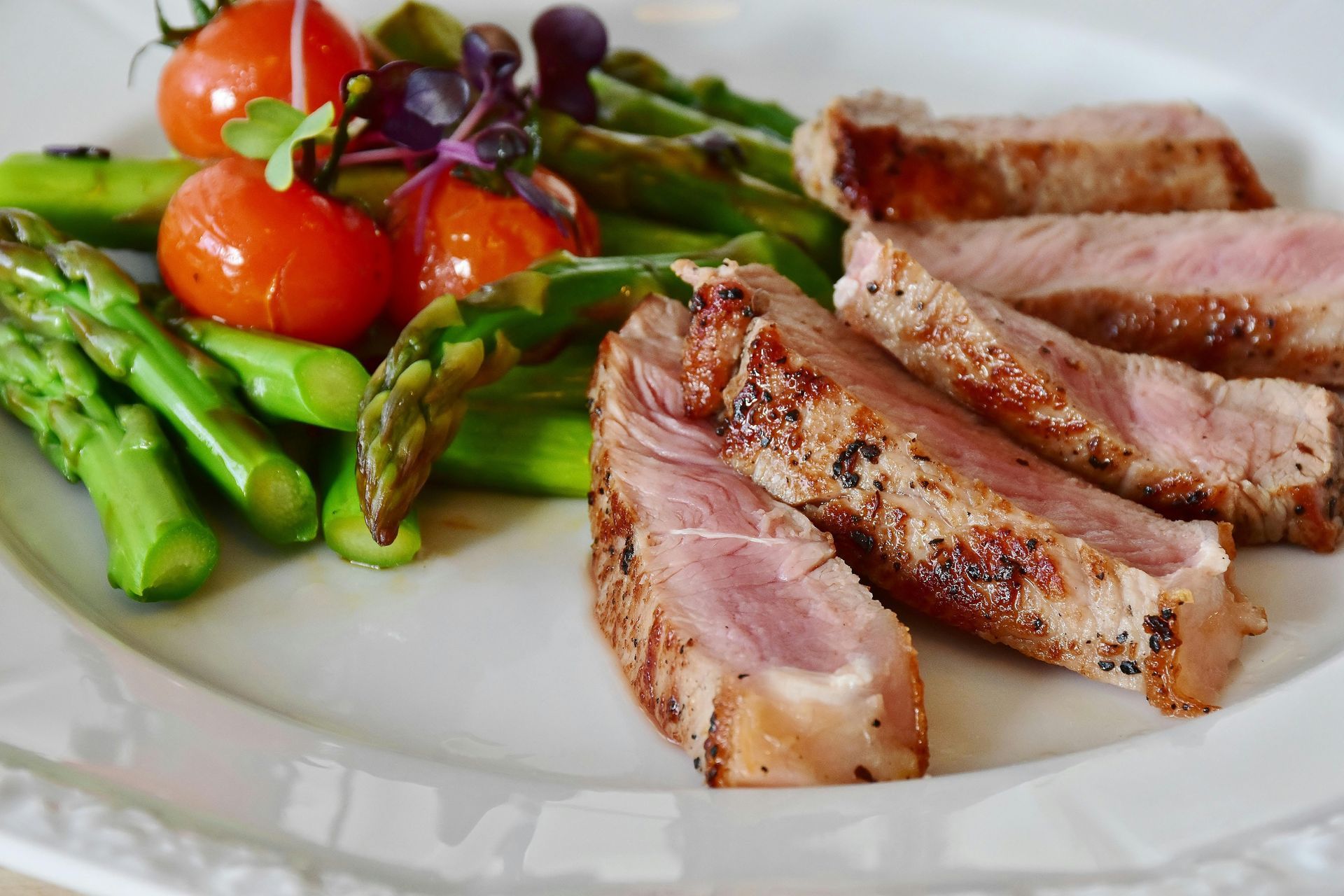
On January 7, 2026, the USDA and HHS unveiled the most significant overhaul of federal nutrition policy in decades. Billed as a return to "real food," the new guidelines—spearheaded by HHS Secretary Robert F. Kennedy Jr.—aim to simplify advice and combat the chronic disease epidemic.
However, critics and health organizations are pointing out glaring contradictions that seem to favor industry interests or ideological shifts over rigorous peer-reviewed science.
The Saturated Fat Paradox
One of the most confusing aspects of the new guidelines is the "End of the War on Saturated Fats." For the first time, federal guidance explicitly encourages the consumption of full-fat dairy, red meat, butter, and beef tallow, moving away from decades of advice to prioritize lean proteins and vegetable oils.
- The Contradiction: While the guidelines promote these high-saturated-fat foods, they simultaneously maintained the limit of 10% of total calories from saturated fat.
- The Problem: Nutritionists argue this is practically a mathematical impossibility for the average consumer. Incorporating three servings of full-fat dairy and increased red meat as recommended will almost certainly push a person past the 10% threshold.
Alcohol: The "Disappearing" Advice
Perhaps the most alarming change is the removal of specific quantitative limits on alcohol. Previous editions were clear: no more than two drinks a day for men and one for women.
- The New Stance: The 2025–2030 guidelines simply advise Americans to "consume less alcohol for better overall health" and "limit beverages."
- The Science: This removal ignores a growing global consensus. Organizations like the World Health Organization (WHO) and the American Association for the Study of Liver Diseases (AASLD) maintain that there is no safe level of alcohol consumption. By removing the daily caps, health advocates worry the government is essentially "flying blind," leaving consumers without the tools to recognize excessive intake.
What Is Actually New?
Despite the headlines, much of the guidance remains the same, though the framing has shifted. The focus on whole, nutrient-dense foods (fruits, vegetables, and whole grains) is a continuation of long-standing advice.
The most "new" and widely praised element is the aggressive stance against ultra-processed foods and added sugars. The guidelines now suggest that children should consume zero added sugars and that adults should keep them under 10 grams per meal—a much stricter standard than in previous years.
The Role of MAHA Ideology
The "glaring contradictions" noted aren't just scientific disagreements; they are the result of a deliberate shift in who defines "healthy" and why.
Traditionally, the guidelines are based on a two-year review by a 20-member Dietary Guidelines Advisory Committee (DGAC)—a group of independent nutrition scientists. However, in an unprecedented move, the current administration (led by HHS Secretary Robert F. Kennedy Jr. and USDA Secretary Brooke Rollins) dismissed a significant portion of the December 2024 DGAC report. Administration officials claimed the committee’s work was tainted by leftist ideologies and health equity principles. They argued that the previous focus on plant-based proteins and low-fat dairy was a result of corporate and political bias rather than "common sense" science.
While the administration claims they are removing "special interest" influence, critics point out that the new 2025–2030 guidelines seem to align perfectly with the interests of the meat and dairy industries. Organizations like the Physicians Committee for Responsible Medicine (PCRM) reported that many of the new review authors have documented ties to the beef and dairy sectors. By "ending the war on saturated fats" and promoting butter, tallow, and red meat, the guidelines provide a massive federal endorsement for American cattle ranchers and dairy farmers. Secretary Rollins explicitly stated that these guidelines "realign our food system to support American farmers and ranchers."
A unique ideological layer of the 2025 guidelines is the framing of nutrition as a matter of national security. RFK Jr. has argued that the prevalence of ultra-processed foods is a "poisoning" of the American populace that makes the nation vulnerable. This "anti-poison" stance is popular when it comes to banning food dyes or seed oils. However, critics argue that the ideology becomes inconsistent when it ignores the "poisonous" effects of alcohol or high saturated fat intake on the liver and heart—simply because those products (like beef and alcohol) are deeply embedded in traditional American culture and agricultural history.
Final Thoughts
The 2025–2030 Dietary Guidelines underscore a significant tension between a simplified "real food" philosophy and the complex requirements of human biology. While the move to restrict ultra-processed foods can be perceived as a net positive, the "Saturated Fat Paradox" and the loosening of alcohol standards suggest a policy that may prioritize
ideological alignment over clinical consistency.
The most significant practical failure identified is the mathematical impossibility of the saturated fat advice. By encouraging high-fat animal products while keeping the 10% cap, the government has created a trap for the average consumer.
When federal guidelines are perceived as contradictory or impossible to follow, the public often experiences information fatigue. People may stop looking to the government for nutrition advice entirely, turning instead to unregulated social media influencers, which can be even more dangerous for public health. Additionally, this further undermines the credibility of scientific institutions even when they object to federal guidelines.
Traditionally, the DGAC acted as a buffer between politics and the dinner table. By dismissing the December 2024 report, the current administration has signaled that
"common sense" and "national identity" are now considered valid substitutes for peer-reviewed consensus.
While the administration claims to be removing "special interests," the alignment with the meat and dairy industries suggests they have simply traded one set of influences (corporate-funded plant-based research) for another (traditional agricultural lobbyists). This set a precedent where dietary advice changes radically with every new administration, making it difficult for schools, hospitals, and the military to maintain stable, long-term health programs.
Further, the lack of nuance regarding processed foods can create confusion. While, generally speaking, it is a good idea to prioritize whole foods over processed foods, processed foods are certainly not “poison”. For instance, in “Is a Calorie a Calorie?” I discuss the
thermic effect of food (TEF) and the fact that the body uses more energy to digest whole foods compared to highly processed foods. I also note that while the caloric math may look the same on paper, highly processed foods (like those made with refined flours and sugars) require less energy to break down, which can influence net energy balance.
In the post titled "Evidence-based Health", I discuss how to identify credible nutrition information. I caution against "wellness" myths that vilify processed foods based on fear-mongering (for instance, referring to them as "toxins"), but instead encourage looking at the
nutrient density and the
scientific data behind how specific levels of food processing affect health markers. Whey protein isolate, for example, is highly processed, but is healthy if it helps people meet their protein needs.
In “What is Science-based Fitness and Nutrition?” I recommend prioritizing whole foods for the purpose of satiety (feeling full) and getting enough micronutrients. I also recommend viewing processed foods as part of a “social” or “flexible” lifestyle rather than “poison” and acknowledge that a diet dominated by ultra-processed foods makes weight management and health optimization more difficult due to the low fiber and high palatability.
Ultimately, new guidelines represent an alarming paradigm shift that replaces clinical nuance with populist ideology. While they are very similar to previous, sound recommendations, they are undermined by a selective application of "science" that appears to favor cultural tradition and agricultural lobbies over public health. By creating mathematically impossible standards for saturated fat and obscuring the risks of alcohol, the government risks alienating the very public it seeks to protect. For the consumer, the takeaway is clear: as federal policy becomes increasingly entangled with political identity, the responsibility for discerning evidence-based nutrition from ideological messaging falls more heavily than ever on the individual. True health isn't found in a "reset" to an idealized past or a rejection of "poison," but in a flexible, informed approach that prioritizes fiber, protein quality, and scientific literacy over political slogans.