Beyond 'Self-Made': How Interdependence Fuels True Gratitude and Compassion
Interdependence and the Transformative Power of Giving Thanks
TL; DR: Gratitude is more than a feeling—it is a profound recognition of interdependence. This article challenges the myth of the "self-made person" by highlighting how every success relies on a vast network of mentors, infrastructure, and community. By shifting focus from individual achievement to dependent origination, we move from entitlement to humility. For Holistic Training, this philosophy transforms fitness into a service-oriented ethical endeavor, where giving back through high-quality care is the natural way to honor the collective support that makes progress possible.
In the spirit of the Thanksgiving season, I thought that it would be nice to include some reflections on gratitude, how it relates to interdependence, and how both gratitude and interdependence relate to both my personal growth and Holistic Training’s growth. I hope that all who read these thoughts come away with a heart full of thanks that empowers them to give back.
Framing Gratitude
Gratitude, when viewed through a philosophical lens like the one offered by Buddhist ethics, is much more than just a fleeting feeling of thanks. It’s a profound recognition of interdependence and an active ethical stance. This core concept, often referred to as dependent origination, states that nothing exists on its own; everything—every event, every success, and every resource—is a product of countless contributing causes and conditions.
The common, often celebrated, narrative of the "self-made person" is challenged by this perspective. True gratitude arises when we move beyond the illusion of a solo, isolated "self" achieving success and realize we are but one active participant in a vast, supportive network. When we recognize this intricate web of causes—from the sun and rain that grew our food to the infrastructure that powers our communications, and the societal stability that permits entrepreneurship—our appreciation deepens. This recognition naturally shifts our focus from entitlement to humility, which is the fertile ground for more caring and compassionate actions.
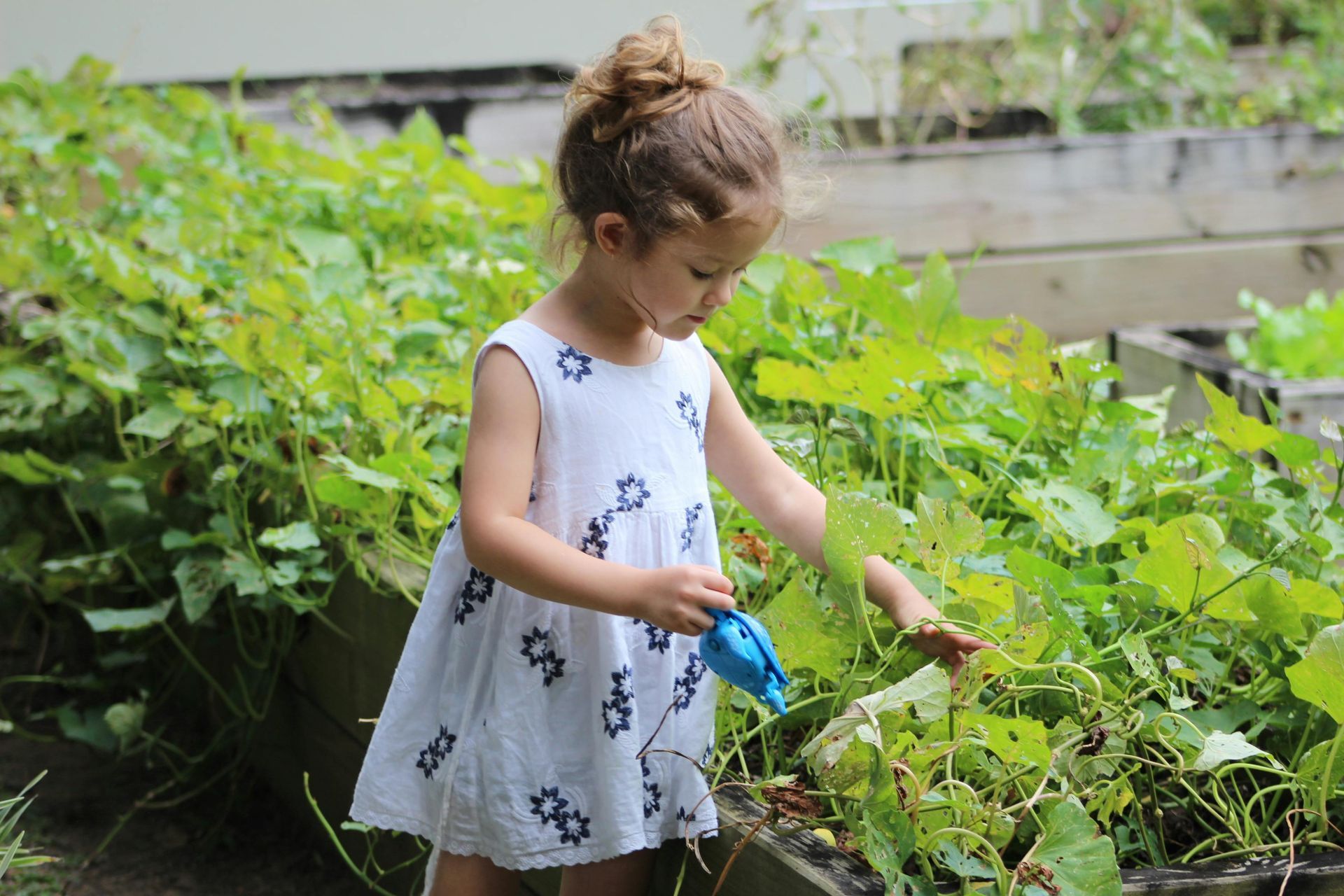
A Garden Cultivated by Many Hands
When it comes to Holistic Training, this deep understanding of gratitude is incredibly powerful, transforming a business operation into a service-oriented ethical endeavor. By cultivating this deep gratitude, I am honoring the entire ecosystem that allows me to operate and thrive.
Gratitude is recognizing the countless mentors and teachers who shared their wisdom, not just in the specific modalities of my training, but in life skills, business acumen, and ethical conduct. It is appreciation extending to the clients who have entrusted me with their most precious asset—their well-being. Gratitude is owed to the friends, family, and wider community that support my mission, offering emotional sustenance, practical assistance, and holding space for my vision. It acknowledges the simple, good fortune that provided me with the time, resources, health, and societal conditions necessary to pursue this path.
Holistic Training is not an island, but a thriving garden cultivated by many hands and countless conditions. Embracing this truth transforms a fleeting feeling of appreciation into a core ethical principle. This principle dictates that because my success is fundamentally shared, my efforts must also be shared.
The Transformative Power of Gratitude
Gratitude is not passive; it is a powerful engine for service and dedication. It asks: "How can I repay this immense debt of interconnected support?" The answer lies in committing to the highest quality of service and acting with uncompromising integrity and compassion.
By integrating this deep sense of gratitude, Holistic Training commits to:
- Sustainable Service: Ensuring my practice is not extractive, but regenerative, giving back to the community and the environment.
- Continuous Improvement: Honoring the wisdom of my teachers by continually seeking to refine my knowledge and skills.
- Client-Centered Compassion: Responding to clients not as transactions, but as fellow participants in the complex journey of well-being, acknowledging their unique struggles and supporting their inherent potential.
Final Thoughts
In summary, this reflection frames gratitude not as a mere feeling of thanks, but as a profound, active ethical stance rooted in the concept of interdependence. I argue that nothing is self-made; all success is the product of countless contributing causes, conditions, and a vast, supportive network.
This philosophical lens challenges the notion of the "self-made person," leading to humility and deeper appreciation by recognizing the intricate web of support—from nature and societal infrastructure to mentors, family, and clients.
For Holistic Training, this deep understanding of gratitude is transformative, converting the business into a service-oriented ethical endeavor. The business's success is seen as fundamentally shared, owing a debt of thanks to teachers, trusting clients, and the wider community. This recognition turns appreciation into a core ethical principle that motivates the company to repay this support through dedicated service.
The ultimate conclusion is that deep gratitude is a powerful engine for service and dedication. By acknowledging the immense debt of interconnected support, the focus shifts to the question: "How can I repay this?"
The answer lies in committing to the highest quality of service, uncompromising integrity, and compassion in all operations. This gratitude empowers the individual and Holistic Training to move beyond transactional relationships, transforming every action into a deliberate act of service that works for the benefit of all beings involved, thereby ensuring the "thriving garden" continues to be cultivated and sustained.