Resistance Training for Bone Density
What Actually Prevents Osteoporosis and Falls
A research-based look at how heavy lifting, impact training, balance, and power work together to protect bone density and reduce fracture risk in women.
Summary
Bone density and fall risk are related but distinct problems, and most training advice only addresses one of them. Heavy resistance training, following the model set by trials like LIFTMOR, is the most reliable way to build and maintain bone density, particularly after menopause, when the biology behind bone loss accelerates. But because a fracture requires a fall as well as fragile bone, balance and power training deserve equal weight; they're what the research shows actually reduces how often people go down. For women in their 30s and 40s specifically, resistance training's effect on bone density is less consistent than it is later in life, which makes this the window to build the habit and the balance and power base rather than to expect large density gains right away. Add impact training gradually, support the work with adequate calcium, vitamin D, and protein, and treat any existing injury as an individual case that deserves a professional's input rather than a general protocol.
Introduction
At 38, I lift heavy: deadlifts, squats, cleans, and snatches. For my bones, that's mostly good news, because bone gets stronger when you load it hard and fast, and a heavy lifting session is close to exactly the kind of stimulus it responds to. So when something in me finally gave out, it wasn't bone. It was a tendon, aggravated by adding running to an already full program at a pace the tissue couldn't adapt to.
That experience is what sent me deep into the bone research, and what I found reframed the whole question. The goal was never a better number on a scan. It's not breaking: staying on your feet, getting up off the floor unaided decades from now, avoiding the kind of fracture that, more often than people realize, is where independent life quietly ends. Once you set the goal that way, the training to get you there turns out to be broader than just heavy lifting.
The stakes, and why they land on women
A woman past 50 has roughly a one-in-two chance of an osteoporosis-related fracture in the years she has left (closer to one in three by more conservative European estimates), against about one in five for a man. Over a lifetime, her risk runs two to four times higher. Her odds of breaking a hip specifically are higher than her combined odds of breast, uterine, and cervical cancer.
And a broken hip isn't a bone that heals and hands your old life back. In the year afterward, 15 to 30% of people die, fewer than half of survivors regain their previous level of function, and a real share never return to living independently. One honest complication: men are actually more likely than women to die in that first year after a hip fracture. Women simply sustain so many more of them that the overall burden still falls hardest on them.
The half of this story that rarely gets airtime is muscle. Muscle mass and strength decline with age too, a process called sarcopenia, and it drives falls and fractures in its own right, though the evidence there is noisier than the bone data. The two compound each other: losing bone and muscle together (sometimes called osteosarcopenia) roughly triples fracture risk compared with losing neither, and people who reach a hip fracture with both conditions already present die at close to double the rate. Bone and muscle support each other mechanically and chemically, so losing one accelerates the loss of the other. That's the real argument for treating bone and muscle as one project, not two.
Why bone responds to training at all
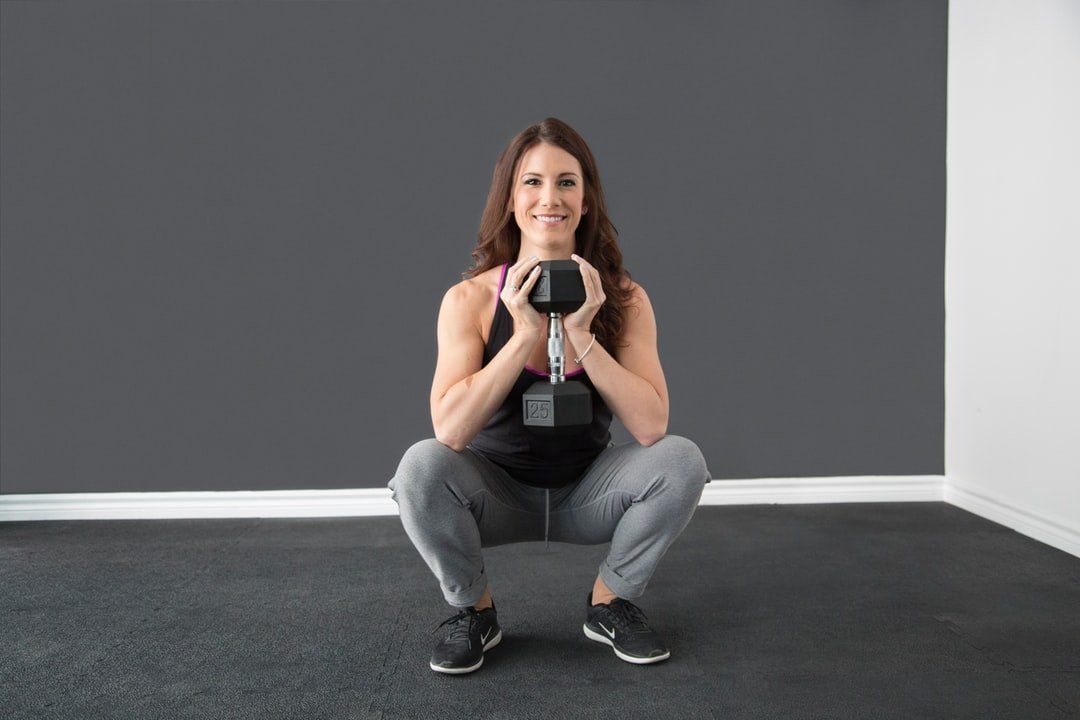
Bone is living tissue, constantly broken down and rebuilt, and like muscle it adapts to what you regularly ask of it. The key rule: bone doesn't respond to how much you move; it responds to how hard and how fast you load it. A long walk doesn't register as a building signal. A heavy deadlift or a hard landing does. The response is also local, so you build bone where you load it, not everywhere at once, and training your spine and hips does nothing for your wrist.
That biology comes with a timeline. Estrogen protects bone by keeping the cells that break it down in check. When estrogen falls around menopause, that breakdown outpaces rebuilding. The timing is sharper than "menopause is bad for bones": the long-running SWAN study, which has tracked thousands of women through the transition, shows bone loss staying slow through early perimenopause, then dropping sharply in the year or two around the final period, roughly 2 to 2.5% a year at the spine and a bit less at the hip. Over three or four years, that's a meaningful chunk of skeleton lost quickly. The leverage isn't at that cliff. It's in the decade before it, building a higher peak and establishing training habits that carry through the drop. If you're in your 30s or 40s, that decade is now.
What actually builds bone
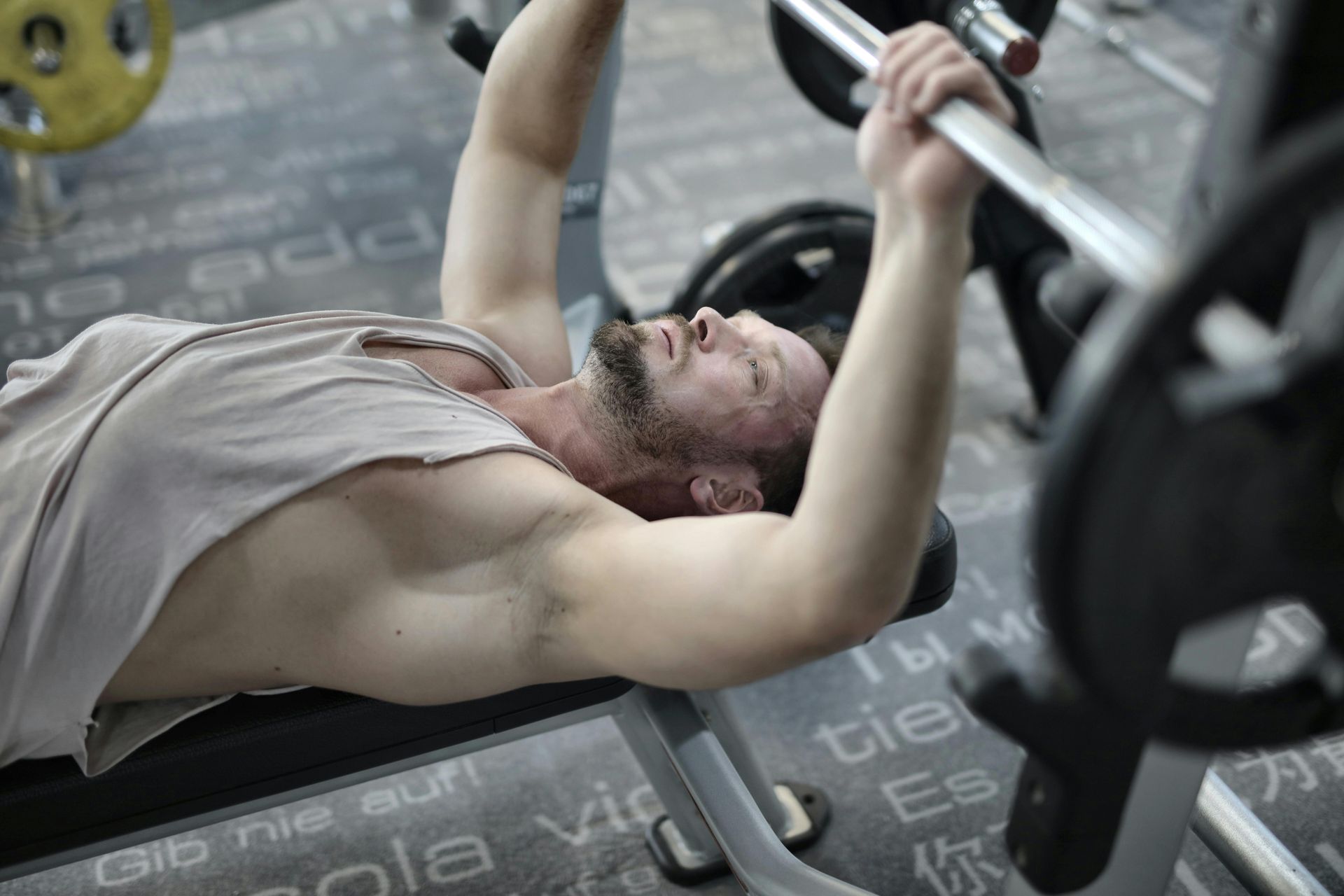
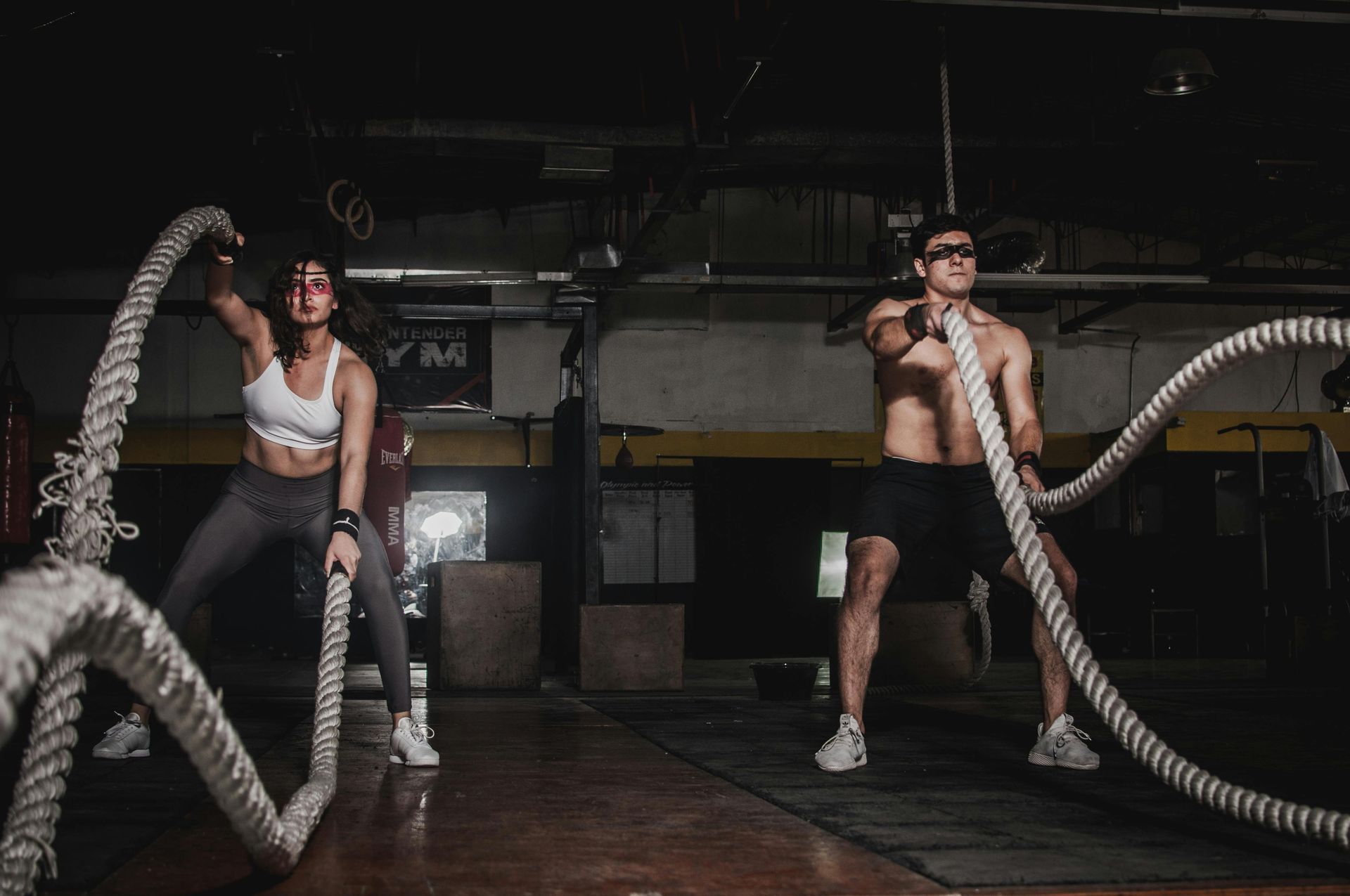
Heavy resistance training and impact are the two things that reliably work. The landmark trial is LIFTMOR: postmenopausal women with already-thinning bones trained twice weekly for eight months, doing five sets of five reps on the deadlift, squat, and overhead press at a genuinely heavy weight, plus a jumping exercise for impact, all under close supervision. A comparison group did gentle home exercise. The lifting group gained about 3% in spine density while the comparison group lost around 1%; at the hip, the lifters roughly held steady while the others declined. The gains are modest, but the trial matters for two reasons: it was done in exactly the population everyone had been warned to keep away from a heavy barbell, and it was safe, with only one minor injury across the whole study. That result overturned years of caution built on the assumption that fragile bone means light weights, caution that had been withholding the most useful tool from the people who needed it most.
How heavy is heavy enough isn't fully settled. A 2025 review pooling 17 trials and roughly 690 women found that training at 70% of your one-rep max or above, three times a week, produced the biggest gains at the spine and hip. That fits the underlying biology: if bone responds to the size of the load, a comfortable weight may never generate enough of a signal. A 2023 review reached a different conclusion, favoring moderate intensity, though largely because it drew the line between "moderate" and "high" in a different place. My own read leans firmly toward heavier: the mechanism supports it, LIFTMOR demonstrated it in the hardest population to move, and some of the apparent advantage of moderate training in other studies likely reflects better adherence rather than a stronger signal to bone.
Building bone isn't the same as preventing falls
Here's where it gets more interesting than "lift heavy, and you're covered." Denser bone lowers the odds that a fall breaks something, but the fracture still requires the fall, and heavy lifting on its own does surprisingly little to prevent falls. Several reviews find no reliable effect of strength training alone on how often people go down.
Two things actually move the needle on falls. The first is balance. A major Cochrane review, pooling more than a hundred trials, found that exercise cuts fall rates by about 23% overall, and by roughly a third when a program combines balance work with strength training. The biggest effects came from programs that genuinely challenged balance and were done regularly, not from walking programs. The second is power: strength delivered fast. Power fades earlier and more steeply with age than raw strength does, and it predicts fall risk better than strength alone, because catching a stumble depends on how quickly you can produce force, not how much force you can eventually produce. This is where jump training pays off twice: it loads bone at the high strain rates bone responds to, and it trains the fast, reflexive strength that turns a trip into a stumble instead of a fall.
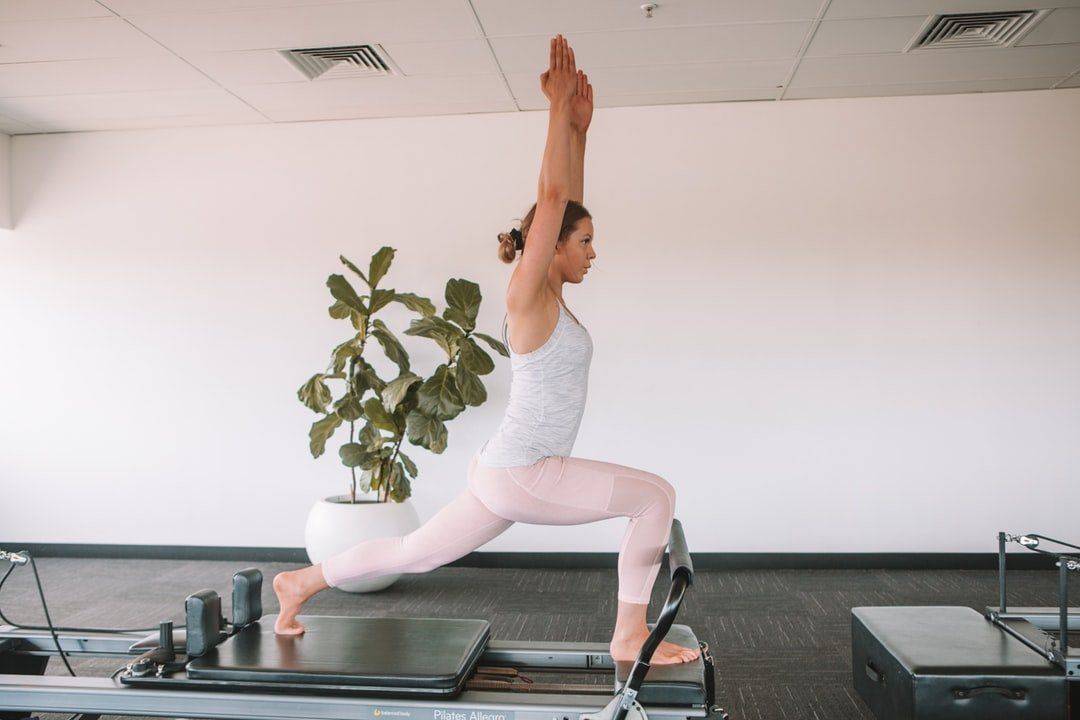
Single-leg work (split squats, step-ups, lunges) is a practical way to fold a balance challenge into a strength exercise, and it's especially useful when training around a one-sided injury, though no trial has directly proven it prevents fractures. Gradual jump progressions, meanwhile, are among the few things shown to move bone density at all in premenopausal women.
If you're premenopausal, the picture is more mixed
Most readers of this piece are premenopausal, and the evidence here is thinner than the LIFTMOR headline suggests. High-impact loading does work in younger women: an 18-month trial of progressive jumping, along with earlier jumping studies, produced modest femoral-neck gains on the order of 1 to 3%. Tellingly, the same jumping protocols did nothing in postmenopausal women, because once estrogen drops, the threshold for triggering new bone formation rises. On the more sobering side, a nine-month trial of strength training alone in women aged 30 to 50 found no significant change in bone density at all. The honest takeaway: don't assume lifting alone reliably builds bone before menopause. The realistic density gains at this age are small. What you're really banking is the balance, power, and single-leg strength that will matter most later.
Nutrition's supporting role
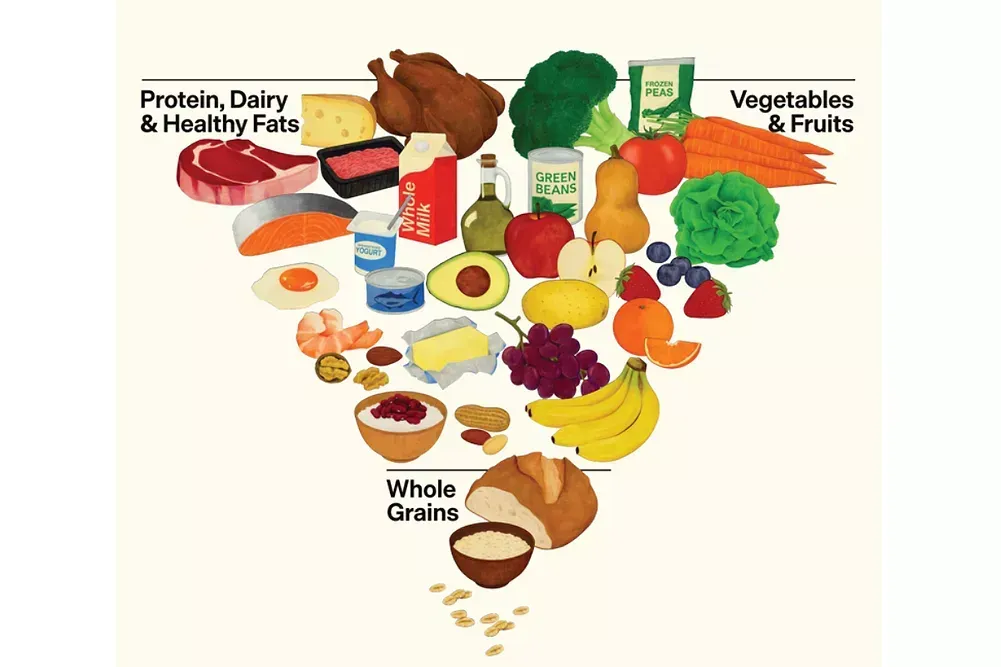
Calcium and vitamin D are building materials, not a build signal, and they matter mainly when you're deficient. In older or nutrient-deficient populations, adequate calcium and vitamin D reduce fracture risk, hip fractures included, by roughly 15 to 30% across trials. In healthy, well-nourished women, the added benefit shrinks and sometimes disappears entirely, as it did in the large Women's Health Initiative trial. Fix a genuine shortfall and aim for adequacy; don't expect a supplement to substitute for load. Protein deserves a related correction: the old idea that high protein intake leaches calcium from bone hasn't held up, and adequate protein supports bone health and likely improves the response to training.
The bottom line
Prevention, not a density score, is the right target. That means heavy, progressive resistance training as the foundation, impact introduced and increased gradually rather than added all at once, and deliberate balance and power work that most lifting programs skip entirely. If you're managing an injury or unsure where to start with impact work, that part is genuinely individual, and a physical therapist or sports medicine clinician can assess your specific situation far better than any general article. And if osteoporosis risk is a significant personal concern, hormone therapy and bone-specific medications are real options worth a conversation with your doctor; they sit outside the scope of a training-focused piece like this one, but they belong in the same conversation.
Key takeaways
- Heavy resistance training and impact are the two proven levers for bone density. The landmark LIFTMOR trial showed genuinely heavy lifting (not light weights) safely improved bone density in postmenopausal women with osteoporosis and osteopenia.
- Building bone isn't the same as preventing falls. Strength training alone has little effect on fall rates. Balance training cuts falls by about 23%, and combining balance with strength training cuts them by roughly a third.
- Power (strength delivered fast) matters as much as raw strength. It fades earlier than maximal strength does and predicts fall risk better, because catching a stumble is a speed problem, not a strength problem.
- Bone loss accelerates sharply around menopause, not gradually over decades. The SWAN study found loss jumps to roughly 2 to 2.5% a year at the spine in the year or two around the final period, which is why building a training habit in your 30s and 40s matters more than starting later.
- The stakes fall disproportionately on women. A woman past 50 has roughly a one-in-two lifetime fracture risk, and a hip fracture carries a 15 to 30% one-year mortality rate.
- Muscle loss compounds bone loss. Sarcopenia and osteoporosis together (osteosarcopenia) roughly triple fracture risk compared with either alone.
- For premenopausal women, evidence for resistance training alone is mixed; impact-based exercise (jumping, plyometrics) has more consistent support for building bone before menopause.
- Calcium, vitamin D, and protein support bone but don't replace load-bearing exercise, and matter most when you're actually deficient.
References & further reading
- Watson SL, et al. High-Intensity Resistance and Impact Training Improves Bone Mineral Density and Physical Function in Postmenopausal Women With Osteopenia and Osteoporosis: The LIFTMOR Randomized Controlled Trial. J Bone Miner Res. 2018;33(2):211–220. https://pubmed.ncbi.nlm.nih.gov/28975661/
- Optimal resistance training parameters for improving bone mineral density in postmenopausal women: a systematic review and meta-analysis. J Orthop Surg Res. 2025;20:523. https://link.springer.com/article/10.1186/s13018-025-05890-1
- Comparative efficacy of different resistance training protocols on bone mineral density in postmenopausal women: a network meta-analysis. Front Physiol. 2023. https://www.frontiersin.org/journals/physiology/articles/10.3389/fphys.2023.1105303/full
- Heinonen A, et al. Randomised controlled trial of effect of high-impact exercise on selected risk factors for osteoporotic fractures. Lancet. 1996;348:1343–1347. https://pubmed.ncbi.nlm.nih.gov/8918277/
- Bassey EJ, et al. Pre- and postmenopausal women have different bone mineral density responses to the same high-impact exercise. J Bone Miner Res. 1998. https://pubmed.ncbi.nlm.nih.gov/9844097/
- Effect of resistance exercise on bone mineral density in premenopausal women (9-month RCT, ages 30–50). Joint Bone Spine. 2009. https://pubmed.ncbi.nlm.nih.gov/19217817/
- Bone Loss Across the Menopausal Transition (SWAN cohort). https://pmc.ncbi.nlm.nih.gov/articles/PMC3198834/
- Osteoporosis and fractures in women: the burden of disease. Climacteric. 2021. https://www.tandfonline.com/doi/full/10.1080/13697137.2021.1951206
- Hip Fracture as a Systemic Disease in Older Adults: A Narrative Review. 2025. https://pmc.ncbi.nlm.nih.gov/articles/PMC12285999/
- Yeung SSY, et al. Sarcopenia and its association with falls and fractures in older adults: a systematic review and meta-analysis. J Cachexia Sarcopenia Muscle. 2019. https://pubmed.ncbi.nlm.nih.gov/30993881/
- Prevalence and risk factors of osteosarcopenia: a systematic review and meta-analysis. BMC Geriatr. 2023. https://pmc.ncbi.nlm.nih.gov/articles/PMC10273636/
- Sherrington C, et al. Exercise for preventing falls in older people living in the community (Cochrane review). Cochrane Database Syst Rev. 2019;1:CD012424. https://www.cochranelibrary.com/cdsr/doi/10.1002/14651858.CD012424.pub2/full
- Reid KF, Fielding RA. Skeletal Muscle Power: A Critical Determinant of Physical Functioning in Older Adults. Exerc Sport Sci Rev. 2012. https://pmc.ncbi.nlm.nih.gov/articles/PMC3245773/
- Calcium plus vitamin D supplementation and risk of fractures: an updated meta-analysis. Osteoporos Int. 2016. https://pmc.ncbi.nlm.nih.gov/articles/PMC4715837/
- Jackson RD, et al. Calcium plus Vitamin D Supplementation and the Risk of Fractures (WHI trial). N Engl J Med. 2006. https://www.nejm.org/doi/full/10.1056/NEJMoa055218
This article describes research findings and general training principles; it isn't individualized medical or rehabilitation advice. Bone health, menopausal stage, and injury management vary from person to person, and a qualified healthcare provider and, where relevant, a bone density scan are worth more than any general protocol.